
This continues a three-part series of posts which began here.
Shifting Paradigms
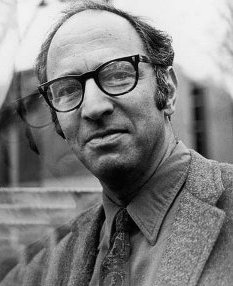
Just as the loss of story is essential for children outgrowing shoes or adolescents going through a rite of passage, so may collective upheavals be natural and needful. Thomas Kuhn, in The Structure of Scientific Revolutions,16 defines paradigms as broadly agreed-upon theories. Examples of current paradigms include the heliocentric theory, the germ theory, the theory of plate tectonics, and the theory of quantum mechanics. Prevailing paradigms get so firmly fixed in the minds of their adherents, however, that they often seem less like theories and more like reality itself.
Yet everything changes, and the human capacity to conceive the inconceivable is overrated. Anomalies start to appear even in well-established paradigms. Soon they multiply, until the paradigm becomes so riddled with inconsistencies that the map is no longer a reliable guide to the territory.
Continue reading Medicine Wheels for Story Orphans: 2






 Light Morning